



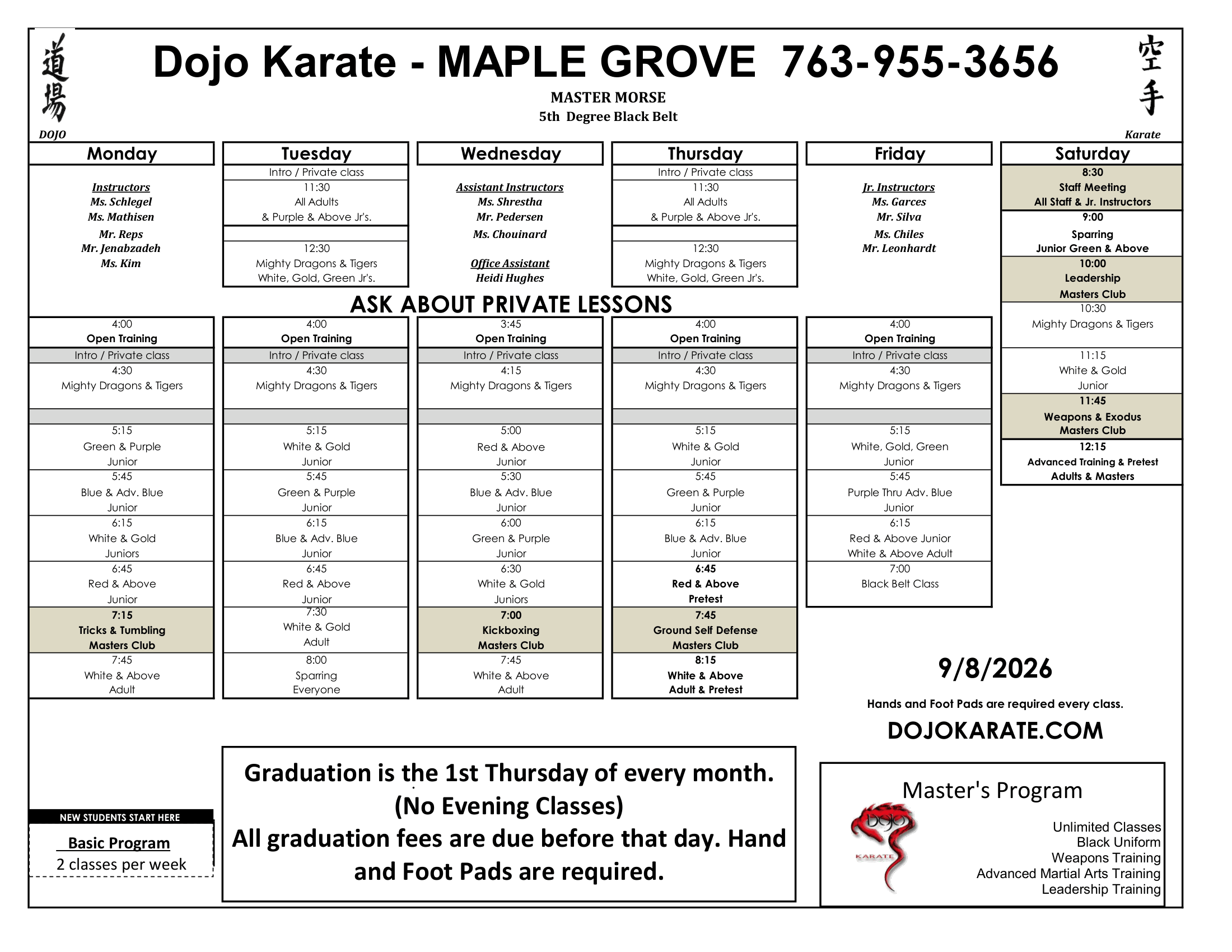
Martial arts can have a powerful positive impact on students with a variety of physical, cognitive, and emotional conditions. Through structured training, discipline, and movement, martial arts help students develop better focus, coordination, emotional regulation, and motor skills. For students dealing with conditions such as obsessive-compulsive disorder (OCD), anxiety, coordination difficulties, or challenges with muscle motor movement, martial arts can provide both therapeutic and developmental benefits.
Building Focus and Emotional Control
One of the most important benefits of martial arts is improved focus and mental discipline. Students with obsessive-compulsive disorder often struggle with intrusive thoughts and repetitive behaviors. Martial arts training requires concentration on specific movements, breathing, and techniques. This structured focus can help redirect attention away from obsessive thoughts and encourage mindfulness. Over time, students may learn to better manage their mental patterns through controlled breathing and consistent practice.
Martial arts can also significantly help students who experience anxiety. Training environments often emphasize respect, routine, and gradual progress, which can create a safe and predictable space for students. Physical activity helps reduce stress hormones and releases endorphins that improve mood. Additionally, learning self-defense skills can increase a student’s confidence and sense of personal control, which may reduce feelings of fear or insecurity.
Improving Coordination and Motor Skills Through Movement
Another important benefit is the improvement of coordination and balance. Many martial arts techniques involve precise body movements, timing, and spatial awareness. Students must coordinate their arms, legs, and body positioning simultaneously. Regular practice strengthens neural pathways related to motor planning and body control. For students who struggle with coordination, these repetitive movements can gradually improve balance, agility, and overall body awareness.
Martial arts training also supports the development of muscle control and motor movement. Kicking, blocking, and stance work require students to activate different muscle groups while maintaining stability and posture. These movements can improve fine and gross motor skills. For students with motor movement challenges, martial arts provide a structured way to practice controlled motion, which can lead to stronger muscles and better movement patterns over time.
Boosting Confidence, Resilience, and Personal Growth
Beyond physical and mental benefits, martial arts also promote self-esteem and perseverance. Students progress through belt levels by practicing consistently and overcoming challenges. This process teaches patience, goal-setting, and resilience. For students who may struggle in traditional academic or athletic settings, martial arts can provide a meaningful sense of achievement and belonging.
In conclusion, martial arts offer a holistic approach that benefits both the body and mind. For students with conditions such as OCD, anxiety, coordination difficulties, or motor movement challenges, martial arts training can improve focus, emotional regulation, physical coordination, and self-confidence. By combining discipline, movement, and supportive instruction, martial arts create opportunities for students to grow in ways that extend beyond the training environment and into everyday life.